
Contents
Marine environments are among the harshest conditions any joint, seam or fitting will encounter. Constant exposure to saltwater, rain, ultraviolet radiation, changing temperatures and continuous movement places enormous stress on vessels and marine infrastructure. Even the smallest gap can allow moisture to penetrate, leading to corrosion, structural deterioration or costly repairs over time.
Choosing the right sealing solution is therefore about far more than preventing leaks. It also helps protect materials, maintain structural integrity and extend the service life of equipment exposed to demanding conditions. Whether used during construction, maintenance or repairs, selecting a marine sealant suited to the application is one of the most important steps in achieving durable, long-lasting performance.
Made for Harsh Marine Conditions
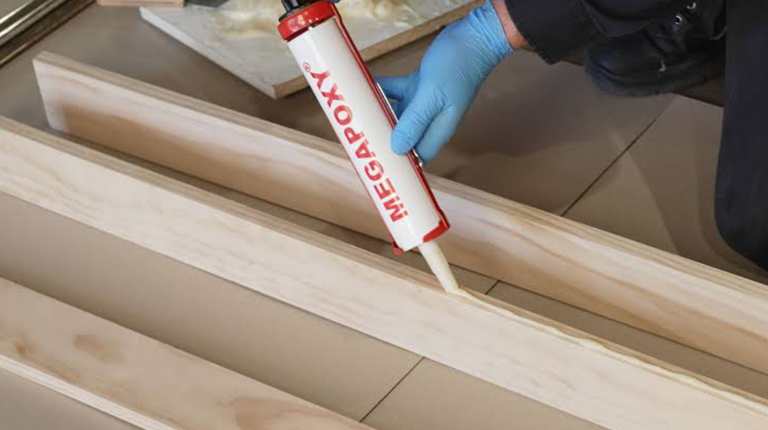
Unlike general-purpose sealants, a wide range of marine sealants is formulated to withstand prolonged exposure to water while maintaining strong adhesion and flexibility. Many are designed to bond common marine materials such as fibreglass, aluminium, stainless steel, timber and various plastics, making them suitable for sealing hull fittings, decks, cabins, windows, hatches, joints and other areas regularly exposed to moisture or movement.
Rather than relying on mechanical fasteners alone, these products help create watertight, flexible joints capable of accommodating vibration and expansion without cracking. Where long-term durability is the priority, choosing sealants that match both the substrate and the expected environmental conditions provides more dependable performance throughout their service life.
Several types are commonly used, each suited to different applications. Polyurethane-based options are valued for their high-stthat accommodaterength bonding, flexibility, and impact resistance, making them suitable where structural movement occurs. Hybrid polymer technologies combine strong adhesion with good weather resistance, often allowing application on damp surfaces and requiring no solvents or isocyanates.
Silicone-based varieties excel where long-term flexibility and UV resistance are priorities, particularly around glazing and non-structural sealing applications. Butyl-based compounds remain popular where long-lasting waterproof sealing and easy maintenance are more important than structural bonding.
One Marine Environment, Different Sealing Demands
No single marine adhesive sealant performs best in every situation, making application requirements the deciding factor. Areas subjected to continuous movement require greater elasticity than fixed joints, while permanently submerged components demand excellent water resistance and long-term durability.
Surfaces that will later be painted also require careful selection, as not every formulation accepts paint after curing. Cure speed, compatibility with different substrates, and resistance to fuels, oils or cleaning chemicals may also influence the choice depending on the operating environment.
While durability depends on exposure conditions, installation quality and maintenance, properly selected and correctly applied products can provide reliable performance for many years before replacement becomes necessary. Good surface preparation remains equally important, since contamination from oil, salt, moisture or loose material can significantly reduce adhesion regardless of product quality.
Features Worth Comparing Before You Buy
Marine applications demand more than simple waterproofing. Sealants must continue performing despite repeated thermal expansion, vibration from engines or wave impact and constant environmental exposure. High elasticity allows joints to expand and contract naturally without losing adhesion, while resistance to ultraviolet light helps minimise cracking, chalking or premature ageing when exposed to sunlight.
Saltwater resistance is equally essential, particularly for vessels operating offshore or remaining moored for extended periods. Chemical resistance may also become important depending on where the sealant is applied. Areas exposed to fuels, lubricants, cleaning agents or mild chemicals benefit from formulations designed to resist degradation after repeated contact.
In addition, many modern sealants offer low shrinkage during curing, helping maintain consistent joint dimensions and reducing the likelihood of gaps developing over time. Fast skin formation can also minimise contamination during application, particularly in busy commercial environments where downtime needs to be reduced.
Compatibility between the sealant and surrounding materials should never be overlooked. Metals, composites, glass, painted surfaces and plastics all behave differently under stress and environmental exposure. Selecting a formulation developed for the intended substrate helps maximise adhesion while reducing the risk of premature failure caused by incompatible materials or excessive movement.
Making the right selection involves balancing environmental conditions, substrate compatibility and expected service requirements rather than focusing on a single performance characteristic. A few practical considerations can significantly improve long-term results:
- Prepare all bonding surfaces thoroughly by removing dirt, grease, salt residue, old sealant and loose material before application.
- Match the sealant to the expected movement, water exposure and materials involved, selecting by strength.
- Allow adequate curing time before exposing sealed joints to heavy loads, continuous water contact or harsh weather whenever possible.
- Confirm whether painting, sanding or future maintenance will be required, as different formulations offer different finishing characteristics.
- Inspect sealed joints periodically in high-wear marine environments; minor deterioration can be addressed before larger failures develop.
Keeping Every Project Protected for the Long Haul
Reliable sealing remains one of the simplest ways to protect marine equipment, vessels and structures from unnecessary deterioration. Modern marine sealants provide solutions for everything from flexible sealing to high-strength bonding, allowing different applications to be matched with the performance characteristics they require.
Understanding the main technologies, recognising the conditions each is designed to handle and following sound installation practices all contribute to stronger, longer-lasting results. When the sealant is selected according to the operating environment rather than convenience alone, marine assemblies are better equipped to withstand years of moisture, movement and demanding service conditions.
