
Contents
The way you style your cushions can change the feel of a room, turning an ordinary sofa into something that looks thoughtfully designed and genuinely inviting. It’s an easy way to bring in personality, colour, and comfort all at once. You want cushions to look good, but they also need to be practical enough for everyday use. There isn’t a single “correct” way to arrange them, but having a few simple guidelines in mind makes it much easier to create a setup that feels both relaxed and put together.
Use a Statement Cushion
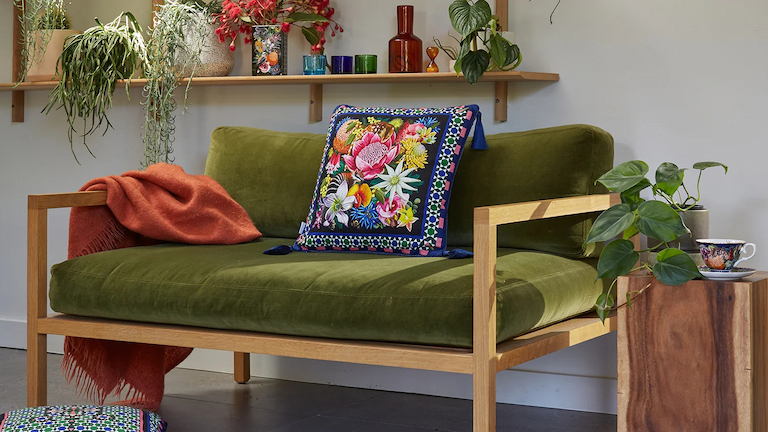
How do I decorate a sofa with cushions? One of the easiest ways to refresh a space is to choose one or two Australian cushions that make a statement and let them do the talking. Instead of filling your sofa with lots of similar pieces, try choosing a statement cushion in a bold colour or eye-catching print.
It instantly draws attention and gives the whole room more personality without much effort. This approach works especially well if your furniture or colour palette is neutral. A vibrant pattern or rich shade can break up the simplicity and make the space feel more styled and intentional. It also gives you a focal point to build around, whether that’s picking up a colour elsewhere in the room or adding a few softer, complementary cushions.
Start With the Larger Ones
A simple way to make your setup look more styled and put-together is to think in layers. Start by placing larger, unique cushions at the back or along the sides of your sofa or bed. These create a base and help frame the whole arrangement, giving it structure from the start. Once that foundation is in place, bring in smaller designs toward the front. This gradual shift in size adds depth and makes the setup feel more natural and intentional, rather than randomly placed. It also helps guide the eye across the space, creating a softer, more inviting look.
Work from the Outside In
A simple styling trick that works surprisingly well is to build your arrangement from the outside in. Place larger Australian cushions at each end of the sofa to frame the space and give it a sense of structure. This creates a natural boundary and instantly makes everything feel more intentional. From there, you can gradually move toward the centre with smaller designs. This shift in scale adds depth and keeps the look from feeling flat or overly uniform. It also helps guide the eye across the seating area in a way that feels easy and balanced.
Formal vs Informal
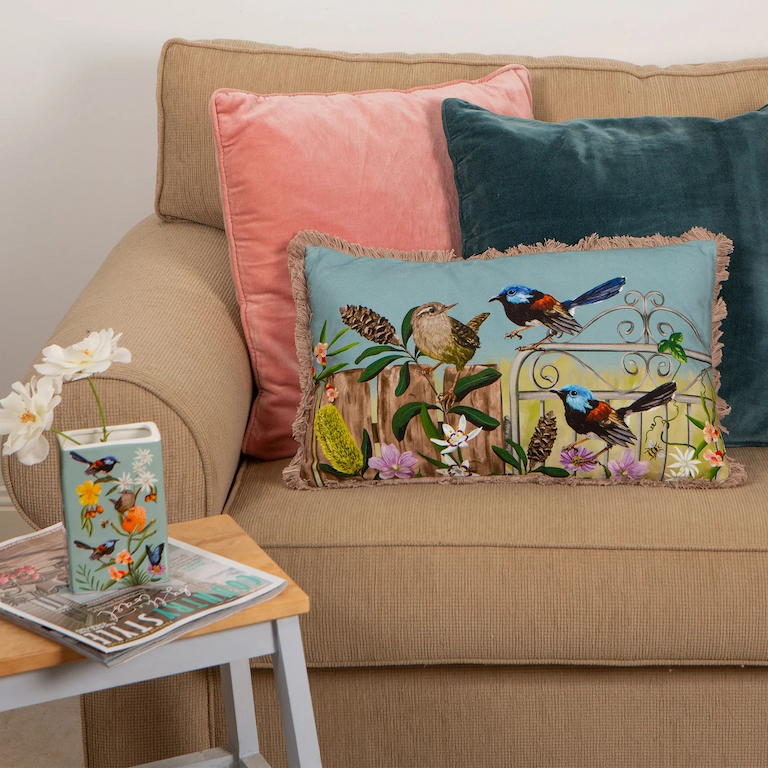
When styling your sofa, consider the overall mood you’re going for. If you prefer something more polished and put-together, a balanced layout works best. Place patterned cushions in matching pairs on either side to create a sense of calm, structured symmetry. This kind of setup suits more classic or refined spaces where everything has its place.
On the other hand, if you’re drawn to a more relaxed and lived-in feel, it’s worth loosening things up a bit. An uneven arrangement, with pieces grouped more freely, can bring a lot of character to the room. It feels less rigid and a bit more personal, like the space has evolved naturally over time.
Mix Different Designs
Playing with different textures can instantly add depth. Use soft velvet alongside crisp linen or smooth cotton. This creates a layered look that not only looks good but also feels inviting. Varying the size and shape also helps break that overly uniform feel. Combine larger squares with smaller or more unusual shapes, like rectangular or round pieces. This gives the arrangement a bit more movement and keeps it from looking too predictable. It’s a simple way to make everything feel more styled without trying too hard.
How to Style an Armchair
Styling an armchair doesn’t need to be complicated. You can keep it clean and minimal with a single unique cushion placed in the centre or go for a more layered look by adding a larger cushion at the back with a smaller one in front. Both approaches work well. It just depends on whether you want something simple and airy or a bit cosier and more styled.
How to Style a Sofa
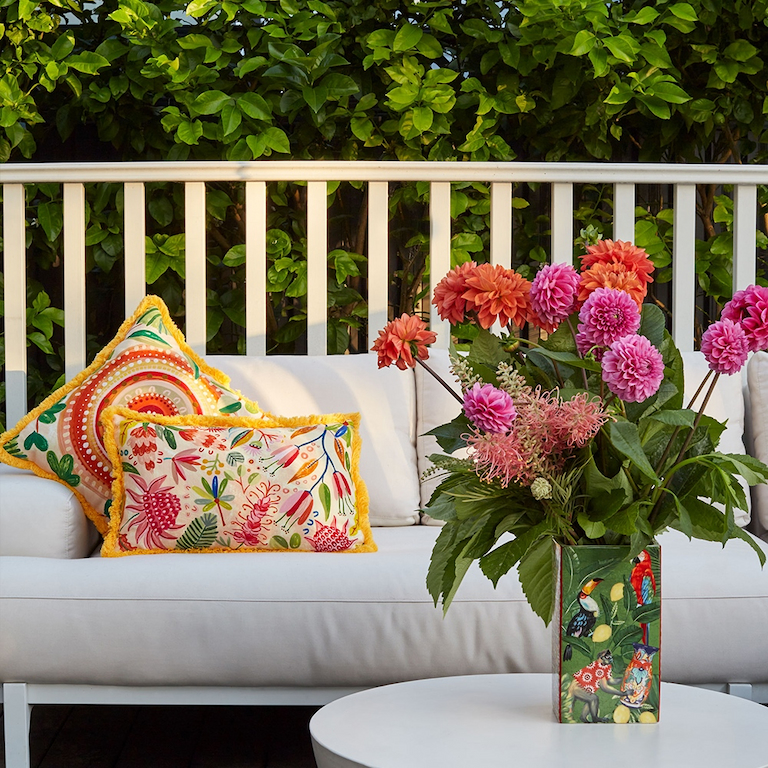
Once you understand a few simple approaches, it’s easy to create the mood you’re aiming for. The size and shape of your seating play a big role, but whether you prefer something neat and structured or relaxed and lived-in, there’s a setup that will work beautifully.
-2-Seater sofas work well with either a clean pair at each end for a minimal look, or a slightly uneven trio for a softer, more casual feel.
-3-Seater sofas give you more room to play. Either go for balanced pairs for a polished finish or a loose grouping for something more dynamic.
-4-Seater sofas can handle fuller arrangements, with evenly spaced pairs for symmetry or a central cluster that draws the eye.
-Corner or L-shaped sofas benefit from working with the shape—either create a cosy focal point in the corner or keep things balanced across each section.
-Modular seating is all about flexibility, mixing small groups and single pieces to suit the layout.
Styling your sofa is a mix of creativity and practicality. Once you get a feel for a few simple ideas and play around with what works for your space, it starts to come together naturally. There isn’t one “right” way to do it. What matters most is that it feels comfortable, looks balanced, and reflects your own taste. Don’t be afraid to switch things up over time, either. A small change in layout or colour can refresh the whole room without much effort.
