
Contents
Mess Happens, Keep It Off
Everyday driving brings dirt, sand, and spills into vehicles. Whether it’s wet shoes after a rainy day, crumbs from snacks, or mud from weekend trips, interiors quickly show signs of wear. Without proper protection, carpets absorb stains and odours, becoming harder to clean over time.
Much like seat covers, rubber mats act as a barrier. They’re created to trap debris before it reaches the flooring. This simple upgrade preserves the look and hygiene of the cabin, reducing long-term maintenance costs.
Armour Under Your Feet
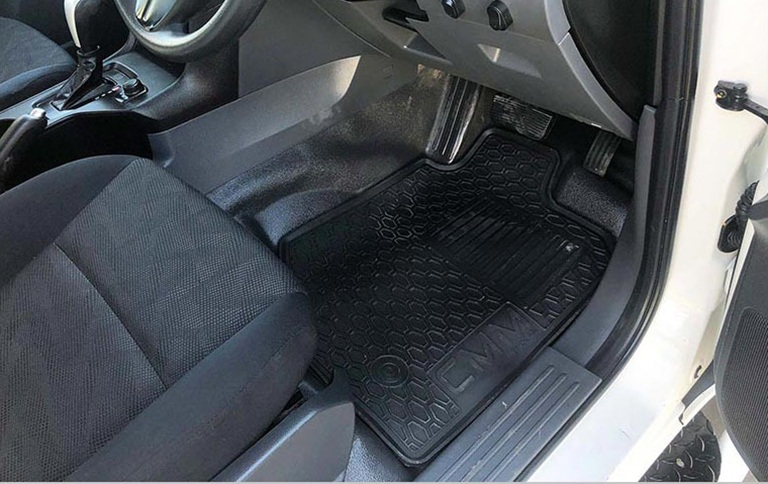
The practical car rubber mats are designed to withstand heavy use. Unlike fabric mats, they resist water, mud, and corrosive substances like road salt. Their raised edges and deep grooves capture liquid and grit, preventing spread across the floor. In Australia, where drivers often face sandy tracks, coastal salt air, and sudden downpours, this resilience is crucial. Rubber’s non-porous nature ensures mats don’t absorb moisture, meaning they dry quickly and remain odour-free.
Clean in Seconds, Drive in Comfort
One of the biggest advantages of rubber mats is how easy they are to maintain. A quick shake or rinse removes most dirt, while stubborn stains can be scrubbed with mild soap. Unlike carpet mats that trap grime, rubber surfaces don’t cling to particles.
This convenience saves time and effort, especially for families or pet owners. Comfort also plays a role; modern mats are designed with textured surfaces that provide grip underfoot without feeling harsh. Treating your vehicle with a fresh new set of car rubber mats will save you a great deal of trouble, especially in the comfort department, combining practicality with everyday ease.
Fit Matters More Than You Think
Choosing mats isn’t just about material; fit is equally important. Poorly sized mats can slide, curl, or interfere with pedals, creating safety hazards. Custom-fit mats contour to the floor, locking into place with anchors or ridges.
Thickness also matters: 4–6mm mats provide durability without being too rigid. Raised edges prevent spills from leaking, while tread patterns improve traction. Universal mats may seem cheaper, but they often shift during use, wearing out faster and compromising safety.
Built Tough for the Long Haul
Rubber mats are engineered for longevity. Their resistance to abrasion means they don’t fray or tear like fabric alternatives. UV-stabilised rubber prevents cracking under harsh sunlight, while reinforced backing keeps mats stable. Over time, this durability translates into cost savings, as replacements are needed less frequently. For drivers who spend time outdoors or commute long distances, investing in robust mats ensures consistent protection year after year.
Everyday Wins You’ll Notice
Beyond cleanliness, rubber mats contribute to safety. Non-slip designs prevent feet from sliding, even when wet, reducing the risk of accidents. Secure anchoring systems stop mats from creeping forward and obstructing pedals, a critical factor highlighted in safety guidelines.
Hygiene is another benefit: mats block allergens, dust, and bacteria from embedding into carpets, creating a healthier cabin environment. For families, this means fewer worries about spills or muddy shoes. For pet owners, mats simplify cleanup after trips to the park or beach.
Smart Choices Before You Commit
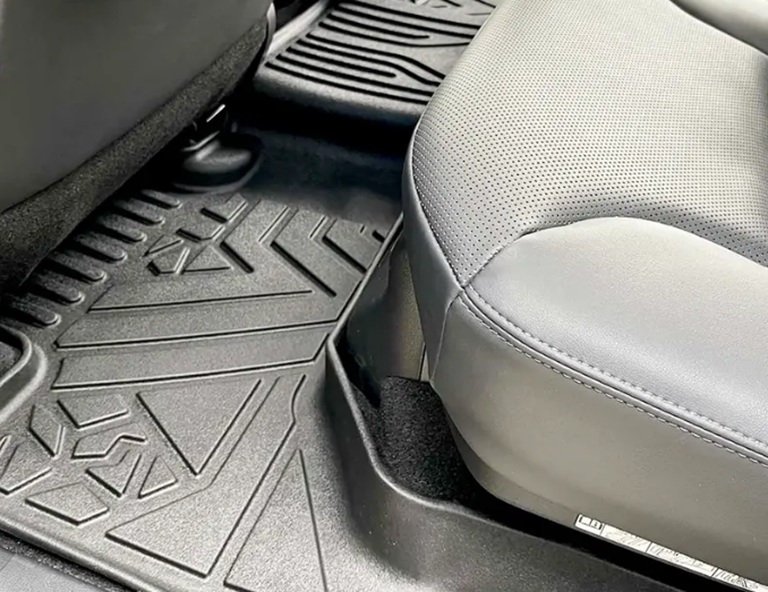
When selecting mats for cars, consider climate, lifestyle, and vehicle type. Drivers in rainy regions benefit from high-lip mats that trap water, while those in sandy areas should prioritise deep grooves. Families may prefer odour-resistant rubber with seamless backing, while outdoor enthusiasts should look for mats with reinforced edges for heavy debris.
Checking compatibility with floor anchors is essential to prevent slippage. Maintenance is straightforward: regular rinsing prevents buildup, while occasional scrubbing restores appearance. Avoid thin mats under 3mm, as they wear quickly and fail to stay in place.
Environmental note: Many modern mats are made from recyclable rubber compounds, reducing waste and supporting sustainability. Choosing eco-conscious designs ensures protection for both your car and the planet.
Seasonal use: In summer, mats shield against melted tar and dust, while in winter they block snow, slush, and salt. Their adaptability across seasons makes them a year-round solution.
Design innovations: Some car mats now feature channels that direct water away from shoes, textured grips for added stability, and reinforced heel pads to withstand constant pressure. These small details enhance usability without compromising durability.
Heat Resistance and Odour Control
Another advantage of rubber car mats is their ability to withstand extreme temperatures. In hot climates, interiors can reach well above 50°C, yet quality mats resist warping or melting. Many are treated to remain flexible under heat, ensuring they don’t crack or curl.
Odour control is also important – modern mats are manufactured with low-VOC compounds, meaning they don’t release strong smells even when exposed to sunlight. This makes them more comfortable for long drives and healthier for passengers.
Small Upgrade, Big Payoff
Car interiors face constant exposure to dirt, spills, and wear. The car floor mats provide a simple yet powerful solution, combining durability, safety, and convenience. Their ability to trap debris, resist moisture, and stay secure underfoot makes them indispensable for everyday driving.
By choosing mats that fit well and suit specific needs, drivers enjoy cleaner cabins, safer journeys, and long-term value. A modest investment in quality mats transforms the driving experience, proving that small upgrades often deliver the biggest rewards.
