
Tired of flat, lifeless surfaces that feel more functional than inspiring? Many interiors struggle to balance personality with practicality, leaving spaces looking safe but forgettable. By combining small pieces into eye-catching patterns, mosaics transform ordinary walls and floors into visual features without overwhelming the room. The result is a space that feels intentional, expressive, and timeless.
Design Range
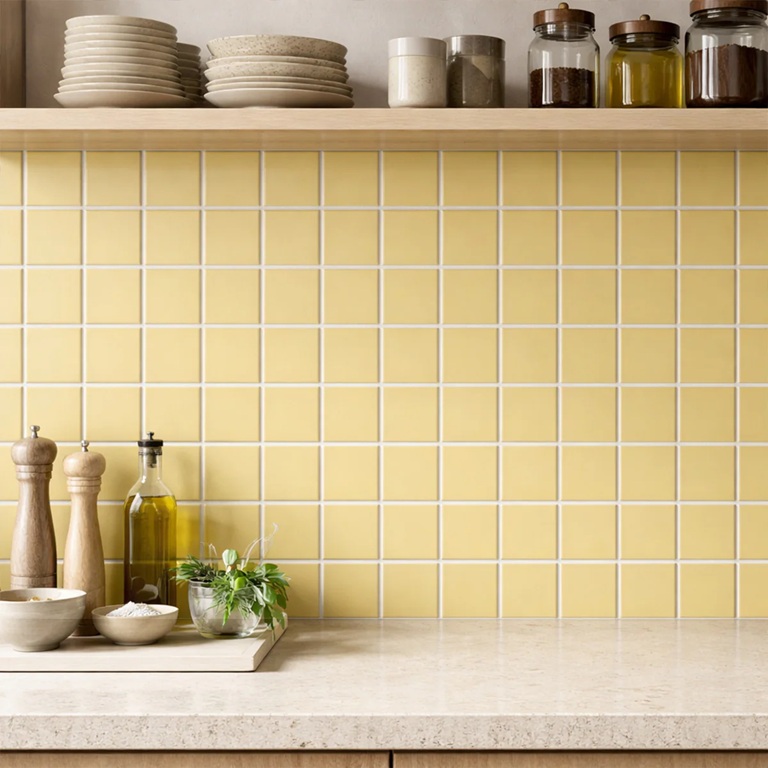
Whether used as a subtle accent or a bold statement, bring personality, texture, and colour to your space with the highest quality mosaic tiles available. When choosing, the design is often the defining factor that shapes the overall look and feel of a space.
Unlike large-format tiles, mosaics rely on pattern, rhythm, and visual flow. Their small scale allows for intricate designs that can be subtle or striking, making them highly adaptable across different interiors. From structured layouts to expressive artistry, mosaic tile designs offer an impressive range of creative possibilities.
Classic Grid Designs
Grid-style mosaics are among the most timeless and widely used designs. Featuring evenly aligned square or rectangular tiles, they create a clean, balanced appearance that suits both modern and traditional settings.
This design works especially well in bathrooms, kitchens, and utility areas where clarity and order are important. Grid mosaics also act as a neutral backdrop, allowing fixtures, lighting, or cabinetry to take centre stage while still adding texture and detail to surfaces.
Geometric and Repeating Patterns
Geometric mosaic designs introduce energy and movement through repeating shapes such as hexagons, diamonds, triangles, and chevrons. These patterns add visual interest without relying heavily on bold colours, making them ideal for contemporary and design-forward spaces.
Repeating geometric layouts can create a sense of depth and rhythm, guiding the eye across walls or floors. When used across larger areas, these patterns feel cohesive and intentional rather than decorative for decor’s sake.
Linear and Directional Designs
Linear tiles with a mosaic pattern are made up of elongated tiles arranged in straight or staggered formations. Their directional nature makes them particularly effective for manipulating how a space is perceived.
Horizontal layouts can make narrow rooms appear wider, while vertical arrangements help enhance ceiling height. These designs are often associated with sleek, modern interiors and are frequently used in shower walls, splashbacks, and feature panels to create a streamlined, architectural look.
Herringbone and Dynamic Layouts
More dynamic designs, such as herringbone, basketweave, and zigzag patterns, add movement and sophistication to mosaic surfaces. These layouts break away from straight lines, creating visual flow and texture.
Herringbone mosaics, in particular, bring a sense of craftsmanship and elegance, making them popular for feature walls and statement floors. These designs strike a balance between classic and contemporary, offering interest without overwhelming the space.
Textured and Three-Dimensional Effects
Textured mosaic tiles focus on depth and surface variation rather than flat patterning. By combining raised, uneven, or sculpted pieces, these create three-dimensional effects that interact with light and shadow.
The result is a rich, tactile surface that adds luxury and drama. Textured designs are often used sparingly as accents or feature sections, ensuring they remain impactful rather than overpowering.
Artistic and Decorative Mosaics
Artistic mosaic options go beyond repetition to form detailed motifs, images, or abstract compositions. These may include floral elements, borders, medallions, or mural-style installations.
Decorative mosaics are typically used as focal points, allowing spaces to tell a story or reflect personal style. They work especially well in feature walls, entryways, or niche areas where visual attention is welcome.
Mixed and Contemporary Combinations
Some mosaic designs blend multiple patterns, orientations, or layout styles within a single surface. This mixed-design approach creates a layered, curated appearance that feels bespoke. By combining different visual elements, they add depth and individuality, making them ideal for creative interiors that aim to stand out.
Colour and Size Options
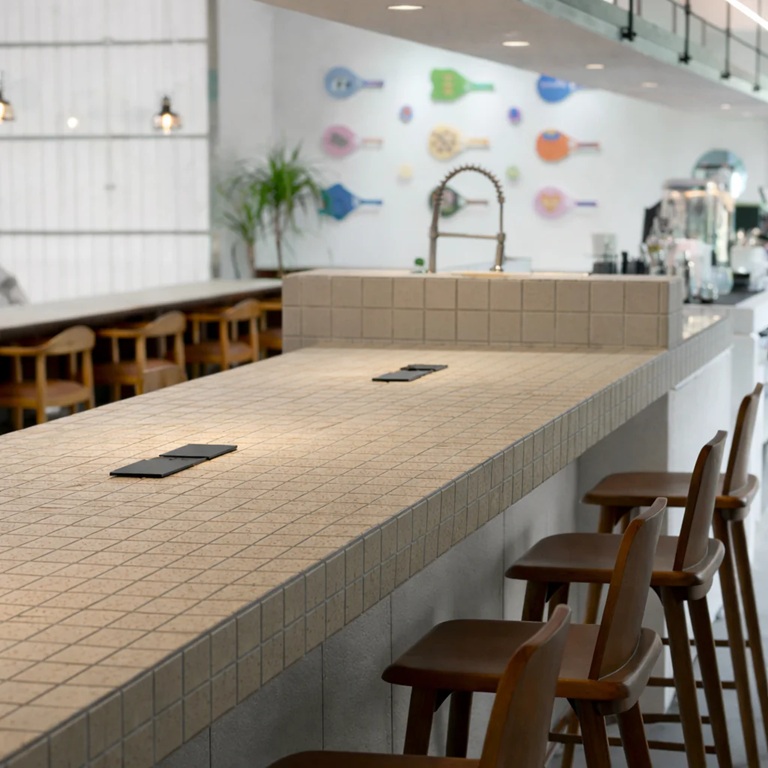
Mosaics offer remarkable versatility when it comes to colour and size, allowing you to create spaces that are both visually striking and tailored to your style. Colour options range from subtle neutrals to vibrant, eye-catching hues, enabling you to set the tone of a room.
Soft shades like whites, creams, and pastels work well for calm, minimalist spaces, while deep blues, greens, and reds can add drama and personality. Many mosaics also feature metallic finishes, iridescent glass, or mixed-colour sheets, offering reflective qualities that catch light and create dynamic visual effects.
Size variations further enhance design flexibility. Traditional small squares, often 10x10mm or 20x20mm, are ideal for detailed patterns and curved surfaces. However, larger pieces, or mosaics mounted on mesh sheets, make installation easier and allow for bolder geometric patterns.
Elongated rectangles, hexagons, and irregular shapes provide additional options for creating movement and texture. Combining different sizes within a single design can add depth and complexity, turning a simple wall or floor into a striking feature.
Care and Maintenance
Caring for your mosaics is key to keeping their patterns, colours, and textures looking vibrant over time. Regular cleaning with a mild, non-abrasive detergent and warm water helps prevent dirt and grime from building up, especially in kitchens, bathrooms, and high-traffic areas. A soft sponge or cloth is ideal to avoid scratching delicate glass, metal, or stone surfaces.
For natural stone alternatives, sealing is recommended to protect against stains and moisture. Reapplying a sealant periodically ensures longevity and maintains the tile’s appearance. Grout lines also require attention—cleaning with a gentle brush and grout cleaner helps prevent discolouration and mould growth. Avoid harsh chemicals or acidic cleaners, as these can damage both tiles and grout.
