
Contents
Natural stone tile has been part of beautiful homes and buildings for generations, and it’s easy to see why it remains so popular. With its natural textures, individual patterns, and timeless character, it can elevate almost any space. But choosing the right option is only the beginning. You’ll also need to think about where to use it, how to install it, and what kind of care it will need over time. If you’re ready to bring a little natural beauty into your home, I’ll walk you through the key steps, from choosing your tiles to installation, cleaning, and ongoing maintenance.
What are Stone Tiles Made Of?
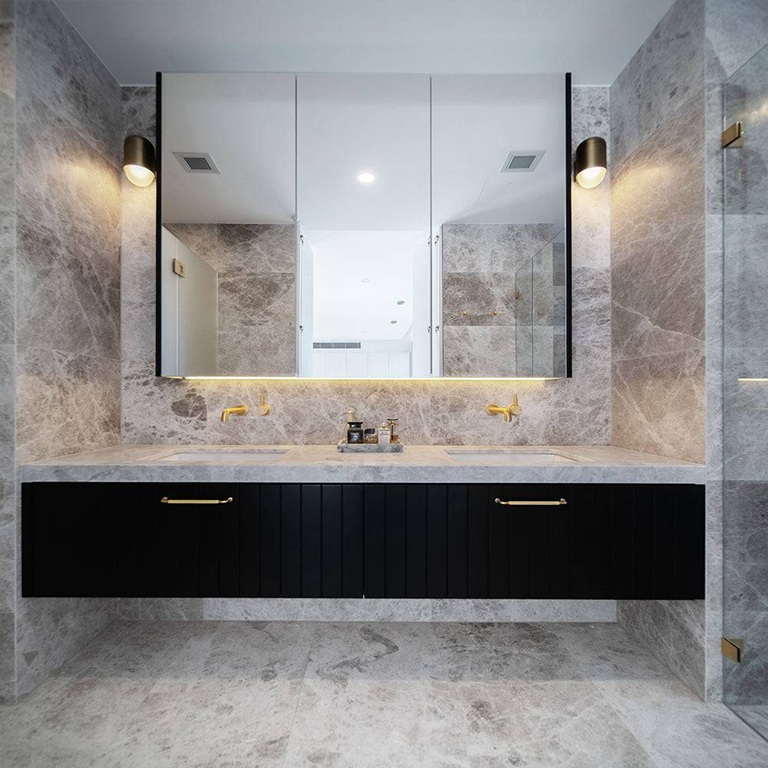
When you incorporate timeless natural stone tiles into your space, you’re choosing character that’s difficult to recreate with manufactured materials. They’re made from genuine stone extracted from quarries, then cut and finished for use on floors, walls and other surfaces. Since each piece comes from a natural material, variations in colour, pattern and texture are completely normal, and often part of the appeal. Some of the most common options include:
- Marble: Known for its smooth surface and distinctive veining, marble brings a classic, luxurious feel to kitchens, bathrooms and living spaces.
- Granite: Tough and durable, granite often features a naturally speckled pattern, making it a practical choice for busy areas.
- Limestone: With softer tones and a more understated appearance, limestone creates a relaxed, natural look both indoors and outdoors.
- Slate: Its textured surface and earthy colouring give slate a more rustic character, making it well suited to floors and feature walls.
- Travertine: Recognisable by its natural pits and warm tones, travertine adds an inviting, organic feel to bathrooms, patios and other spaces.
Where Can You Use Them?
One of the best things about natural stone tiles Australia wide is their versatility. They can bring texture, warmth and character to everything from a quiet corner indoors to a spacious outdoor area. If you’re looking for ideas, consider these options:
- Kitchen splashbacks: Marble or travertine can create an eye-catching backdrop behind your worktops while adding a refined, natural finish.
- Bathroom walls: Use marble, limestone, or other varieties across walls or shower areas to create a calm, spa-inspired feel.
- Bathroom floors: Slate is a great choice when you want an earthy look with plenty of texture, although other natural materials can work beautifully too.
- Patios and outdoor areas: Travertine and slate can bring a natural, cohesive look to terraces and entertaining spaces.
- Fireplace surrounds: Marble or limestone around a fireplace can add warmth and character, creating a cosy focal point in the room.
- Entryways and mudrooms: A patterned floor, such as a checkerboard arrangement, can make an entrance feel more distinctive while adding a durable surface.
How to Install?
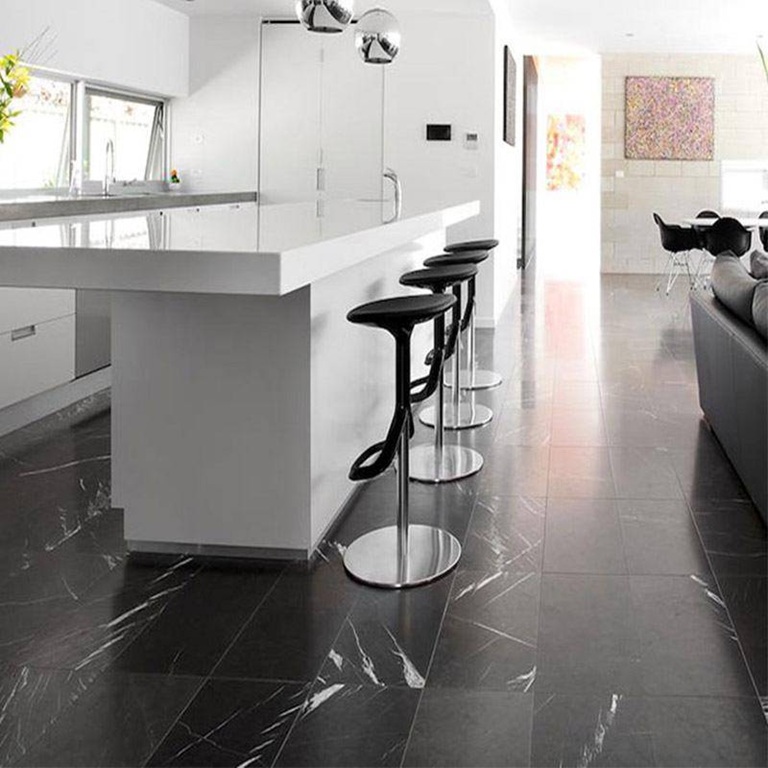
Installing natural stone tiles can be a rewarding DIY project but requires a little more care than working with standard ceramic or porcelain. The stone can be less forgiving, so taking your time with preparation and planning is important. Before you begin, make sure the surface is clean, level, and suitable for the installation. It also helps to lay out the pieces first so you can decide on the pattern and avoid awkward cuts.
Once you’re happy with the arrangement, apply an appropriate thin-set mortar with a notched trowel and carefully position each piece. Spacers can help keep the gaps even and give the finished surface a neat appearance. You’ll likely need a wet saw for cutting, particularly around corners and edges, as natural stone can chip if cut incorrectly.
After the adhesive has cured, fill the joints with a grout that’s compatible with both the stone and the installation. The final step is sealing. Many varieties are porous, so a suitable penetrating sealer can help protect the surface from moisture and staining.
If the project involves a large area, complicated pattern, or tricky surface, hiring an experienced installer may be the better option. A professional can handle precise cuts, consistent spacing and proper sealing, helping you avoid costly mistakes and achieve a cleaner finish.
Maintenance Tips
Stone natural tiles are wonderfully durable, but a little regular care will help preserve their colour, texture and finish. Start by sweeping or vacuuming often to keep grit and dust from building up on the surface. In bathrooms and other damp areas, wiping away excess moisture can also help prevent water marks and mildew.
When cleaning, stick to a soft mop or cloth and a pH-neutral cleaner designed for natural stone. Harsh products can damage certain surfaces, so it’s best to avoid anything overly abrasive. Spills should be dealt with promptly too, particularly when they involve wine, coffee, oils or other strongly coloured substances.
Sealing is another important part of long-term care. Depending on the type of stone and where it is installed, applying a suitable sealer periodically can provide extra protection against moisture and staining. Always follow the sealer manufacturer’s instructions for the recommended reapplication interval.
Bottom Line
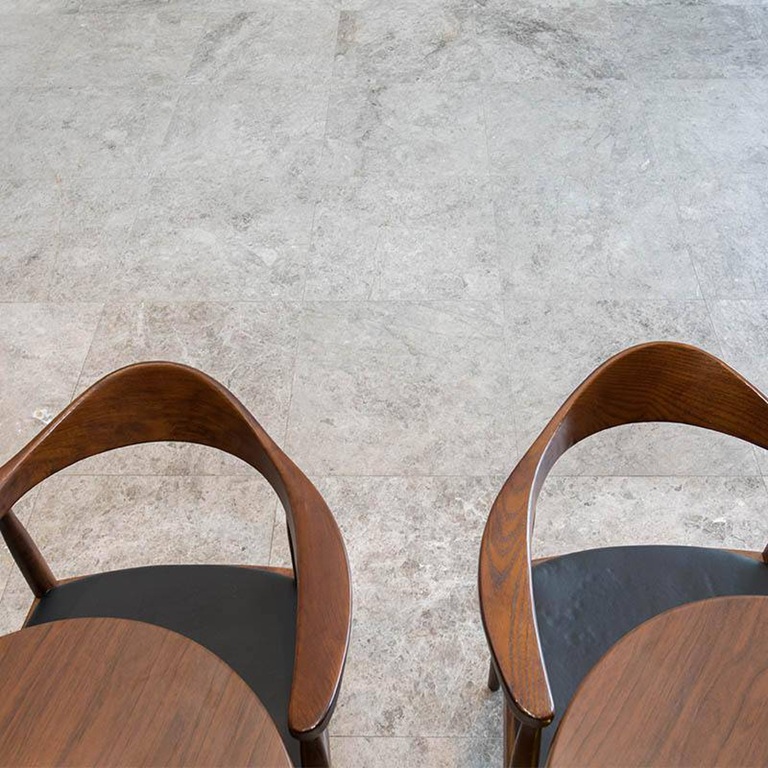
Natural stone can bring more character and warmth into your home. Once you’ve chosen the right material and planned where it will go, proper installation and a little ongoing care will help it stay looking its best. Whether you’re updating a bathroom, refreshing a kitchen or creating an inviting outdoor space, the natural variations in each piece can give your home a finish that feels unique.
