
Contents
Choosing packaging in bulk can seem simple until you start looking at the details. You might like a certain container because it gives the drink an attractive appearance. But then the practical questions begin. Could prolonged exposure to supermarket lighting affect the product? Would switching to opaque white HDPE offer better protection, but make the packaging less eye-catching on the shelf? And if the drink is eventually sold in other countries, what materials, closures, and food-contact requirements need to be checked before placing a large order?
Buying lightweight plastic empty milk bottle designs can make sense for businesses that need practical packaging at scale. Plastic is generally easier to transport and handle than heavier alternatives, while lightweight designs can help reduce the amount of material used per container.
However, choosing the right bottle involves more than comparing shapes and prices. From material and light protection to closures, regulations, and quantities, there are several factors worth considering.
Importance of the Right Bottle
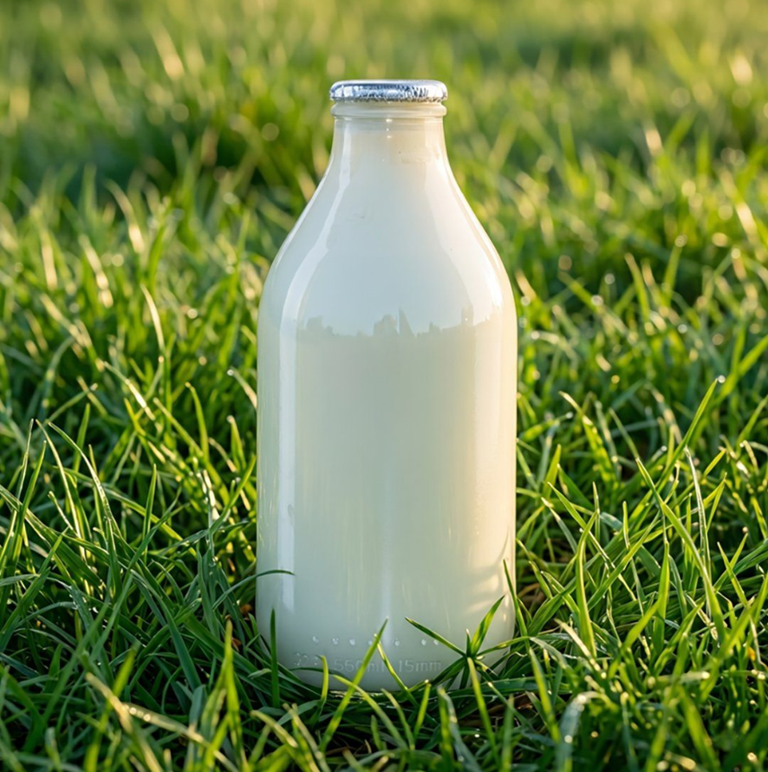
Food-grade milk bottles are a must, but this shouldn’t be the only thing you check. The container also needs to suit how you fill, store, and transport the dairy. Think about whether it will be refrigerated, exposed to light, shipped long distances, or sold with a particular type of closure and label. Check these details before buying in bulk to prevent problems such as leaks, poor labelling, or packaging that doesn’t hold up during transport.
Popular Bottle Materials
What material are milk bottles made of? Today’s dairy packaging goes beyond standard HDPE and PET. Modern bottles can now be made with high levels of food-grade recycled plastic (rHDPE and rPET), helping brands meet sustainability goals without giving up strength, clarity, or shelf life. When looking through options, the material you choose should suit the product and how it will be stored and handled.
-HDPE & rHDPE: The standard choice for refrigerated fresh milk. HDPE is lightweight, impact-resistant, and available in opaque or semi-transparent finishes to protect against light exposure. Choosing food-grade rHDPE (recycled HDPE) gives you the same strength and light protection while using far less virgin plastic.
-PET & rPET: Known for its glass-like clarity, PET is ideal for premium dairy, flavoured milk, and plant-based drinks where seeing the product helps sales. Using rPET (recycled PET) keeps that great shelf appearance while offering a more sustainable, recycled option.
White, Transparent, or Semi-Transparent Bottle?
The colour and finish of your milk packaging can have a bigger impact than you might expect. While a clear container can make a drink look appealing on the shelf, transparency isn’t simply an aesthetic decision. It can also affect how much light reaches the product inside.
For traditional refrigerated milk, white or opaque HDPE can be a practical option. The less transparent finish can limit light exposure while giving the packaging the familiar appearance shoppers often associate with dairy. This can be particularly useful when the product needs some protection from the retail lighting environment.
For flavoured drinks, coffee drinks or plant-based alternatives, you may want the product itself to be more visible. Clear or semi-transparent plastic can help create a more eye-catching presentation, but you’ll still need to consider whether light could affect the product’s quality or shelf life. Glass offers another possibility for brands aiming for a more premium or traditional feel. However, its extra weight and greater risk of breakage can make transportation more demanding and costly.
Ultimately, the most suitable finish depends on the product, storage conditions, and the impression you want your packaging to create.
Additional Considerations
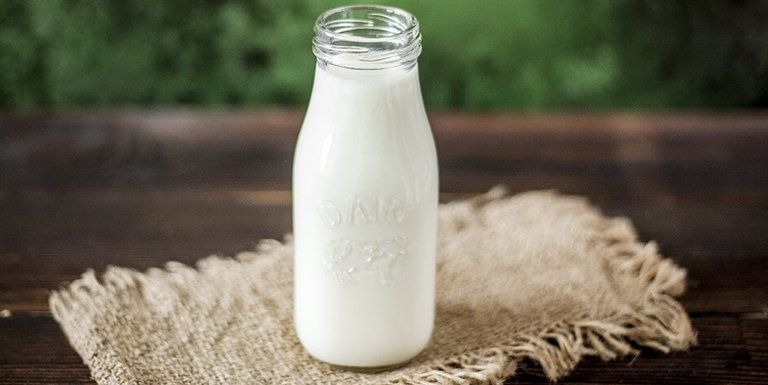
Buying empty milk bottles in large quantities is easier when you know exactly what you need before contacting a supplier. Simply asking for a certain size may not give them enough information to recommend the right design. A few practical details can make the whole process much smoother:
-Product: Explain what you’re packaging, as refrigerated milk, yoghurt drinks and plant-based beverages can have different requirements.
-Capacity: Consider the size you need and how the shape will affect handling, storage and transport.
-Filling and storage: Tell the supplier how the product will be filled and whether it will remain chilled or be stored at room temperature.
-Protection: If light could affect the product, discuss opaque materials, coloured plastic or labels that provide greater coverage.
-Closure: Think about whether you need a screw cap, tamper-evident seal, or another closure that helps prevent leaks.
-Appearance: Decide whether you’ll use adhesive labels, sleeves, printing or a custom colour.
-Quantity and design: An existing mould may be more practical for smaller orders, while a distinctive custom shape could require new tooling.
-Market: For export orders, check the destination country’s packaging, food-contact and recycling requirements early.
-Sustainability: Decide if your brand requires recycled content (like rHDPE or rPET). Letting your supplier know your recycled plastic targets early helps them suggest the right material without affecting bottle strength or performance.
When choosing milk packaging, aim for a balance between what your product needs and how you want it to look on the shelf. Material, capacity, closure, protection and storage conditions all have a part to play, so consider the bigger picture before placing a large order. Discuss these details with your supplier to avoid costly changes later. With the right information from the start, you can choose packaging that protects the product, suits your customers, and works smoothly throughout storage and distribution.
