
If you’re serious about what you do, you don’t leave things to chance. You know that running a cafe is about more than what’s in the cup. In a bustling, aroma-filled space, every detail matters, from the service down to the clothes your baristas wear.
While dress codes aren’t always strict, there’s one unwritten rule: baristas almost always wear an apron. It’s a defining piece of the uniform, besides the usual tee or button-up, dark jeans or chinos, and comfy sneakers. Aprons for baristas are often a part of that look that says effortlessly cool but ready for the rush. They’re practical (because spills happen), unfussy, and an opportunity to visually reinforce brand identity.
If you’re looking to add or refresh your venue uniforms with new aprons for cafes, the right style, materials, and features should match your brand’s identity and prioritise comfort and function.
Think About Style
Bib aprons are one of the most popular and versatile uniform styles. They cover the chest and tie at the waist, often featuring adjustable neck straps and roomy front pockets for storing phones, utensils, or recipe cards within easy access. Many venues choose this style for its structured silhouette, strong visual presence, added protection against splashes and space for details and branding. This classic look works for different coffee shop vibes and settings.
Cross-back aprons give a modern twist to the classic bib style. Rather than a traditional neck strap, the straps form an X at the back, which creates a balanced and structured silhouette. They are often chosen for their even weight distribution and modern look that suits many specialty coffee shops and venues with a design-led aesthetic.
Waist aprons, on the other hand, tie around the waist and only cover the lower part of the body. They offer a more relaxed and flexible approach to cafe uniforms. Worn from the waist down, they keep the upper body free while still providing practical coverage where it’s needed most. What sets them apart from bib styles is their lighter, less structured look. This makes them a popular choice for venues that favour an easygoing and casual atmosphere. Plus, with room for pockets and subtle branding, they’re a simple way to finish a uniform without taking over the overall look.
Choose the Right Material
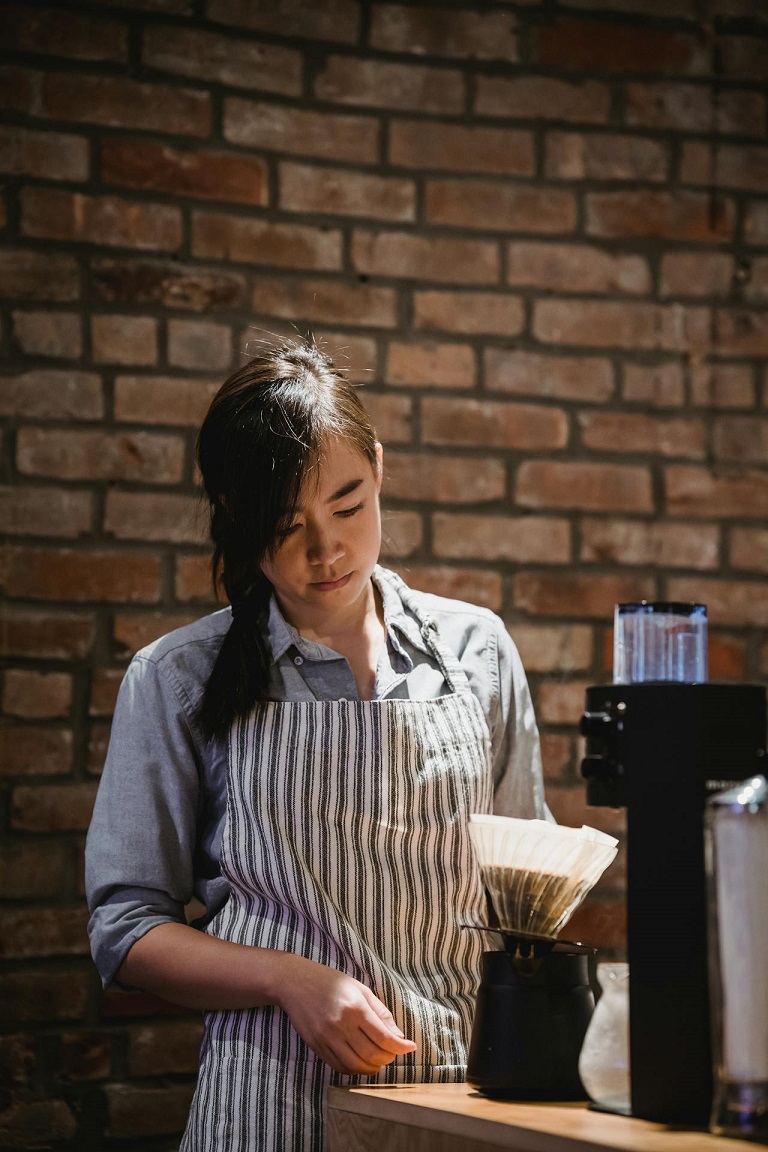
Material-wise, popular options include cotton and denim. Cotton is lightweight, soft, breathable, easy to wash and maintain. Cotton aprons drape naturally over the body, giving a relaxed yet polished look, and they work well in almost any café setting. Furthermore, this material is easy to embroider and personalise without compromising the clean, professional appearance of the apron.
Denim, on the other hand, is slightly heavier and sturdier than cotton. Although denim is made from cotton, its twill weave and higher thread count make it more resistant to wear and tear (just think about how durable a pair of blue jeans is). Denim aprons for cafes also have a more rugged look that works well in artisanal settings.
Leather is also a popular choice because it’s hard-wearing and has a premium look, but it requires more care. That’s because leather reacts to heat, moisture, and daily wear. In a café setting, exposure to steam, spills, oils, and frequent wiping can dry it out or cause stains over time. To maintain its premium look, leather needs regular conditioning, careful cleaning rather than machine washing, and a bit more attention between shifts.
Poly-cotton fabric blends are also a common choice. They combine the softness of cotton with the durability of polyester. These blends are resistant to wrinkles, hold their shape well, and stand up to frequent washing. They work for bib, waist, and cross-back styles, and like cotton and denim, they take embroidery or printed branding easily.
Look for Handy Features
As a café owner, you likely already understand your baristas’ clothing needs and preferences, either from having done the job yourself, hearing about it many times, or simply asking them what they need. Beyond type and material, the little features make a big difference.
Baristas often need quick access to tampers, thermometers, pens, order pads, small spoons, and cleaning cloths, which means they benefit from roomy, strategically placed pockets. Ideally, a barista apron should have two or three well-placed, deep pockets to keep tools organised and accessible without getting in the way during a busy shift.
Adjustable neck and waist straps are another key feature. They help the apron fit better, reducing strain on the shoulders and back during long shifts. Straps also keep the apron secure while bending, reaching, or moving quickly behind the counter, and help it sit neatly to maintain a polished, professional appearance. Although these small yet thoughtful features don’t shout for attention, they make everyday tasks simpler and long shifts a little smoother and more manageable.
