
Contents
Nothing ruins a relaxing tea break quite like a teapot that pours poorly, cools too quickly, or simply doesn’t suit the way you brew. With so many materials, sizes, and styles available, choosing one can feel more complicated than expected. Should you prioritise heat retention, ease of cleaning, or a built-in infuser? The answer depends on your tea preferences and daily routine.
Understanding Different Materials
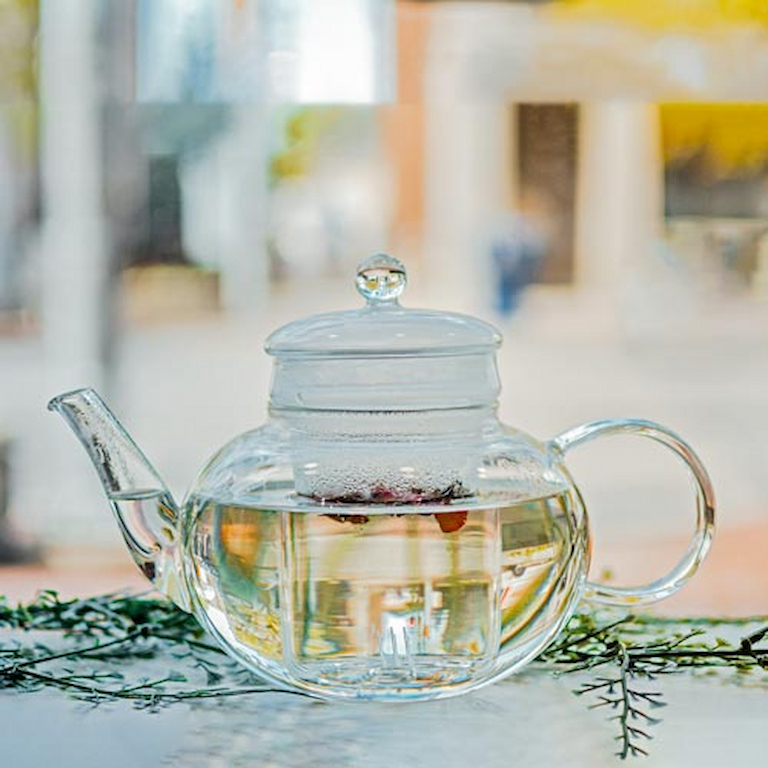
The material of a teapot influences everything from heat retention and durability to maintenance and overall appearance.
Glass
The easiest way to level up your brewing experience is with a premium glass teapot. These teapots combine modern style with everyday practicality, making them a popular choice for tea enthusiasts who enjoy both the brewing process and the finished cup. Their transparent design allows you to watch tea leaves unfurl and monitor the colour of the infusion, helping you decide exactly when your tea has reached the desired strength. This visual element makes glass teapots particularly well suited to loose-leaf and flowering teas, where the brewing process becomes part of the overall experience.
Many quality glass tea pots are made from borosilicate glass rather than standard glass. This specialised material is designed to withstand high brewing temperatures and is more resistant to thermal shock, making it suitable for repeated use with boiling water. It also maintains its clarity over time, allowing you to continue enjoying a crystal-clear view of your tea without the cloudiness that can develop in ordinary glass.
Convenience is another reason why you should choose glass instead of any other material. Many feature removable infusers that make brewing loose-leaf tea simple while allowing the leaves to expand fully for better flavour extraction. Once steeping is complete, the infuser can be lifted out to prevent over-brewing and to make cleaning easier.
Wide openings also make filling, rinsing, and maintaining the teapot straightforward, while many models are dishwasher-safe for added convenience. Because glass does not absorb flavours or aromas, you can easily switch between different tea varieties without lingering tastes affecting your next brew.
However, one of the biggest attractions of a glass teapot is its clean, contemporary appearance. Its minimalist design complements a wide range of kitchen and dining styles while showcasing the natural colours of your tea. Many designs also include drip-free spouts, ergonomic handles, and secure-fitting lids to improve pouring comfort and minimise spills.
Ceramics
Ceramic teapots are among the most versatile options. They retain heat well, are available in countless colours and designs, and suit almost every type of tea. Their smooth glazed surface also makes them easy to clean and resistant to absorbing flavours.
Porcelain
Porcelain offers a refined appearance that makes it a favourite for traditional tea settings. It is lightweight yet durable and works particularly well for delicate teas, allowing their flavours and aromas to shine without affecting the taste.
Choosing the Right Size
The process of brewing the perfect cup of tea requires getting the right teapot size. It usually depends on how much tea you typically brew and how many people you usually serve. A smaller size is ideal for one or two cups, making it perfect for solo tea breaks or sharing with another person. It also allows you to brew fresh tea more often, ensuring each cup is served at its best.
Medium-sized options offer greater versatility for everyday use, comfortably serving several cups without taking up too much storage space. They are a practical choice for families or anyone who enjoys multiple cups throughout the day.
Larger options are well suited to entertaining guests, afternoon tea gatherings, or households where several people enjoy tea together. While they reduce the need for repeated brewing, they also become heavier when filled with hot water.
Heat Retention
Heat retention plays an important role in maintaining the ideal brewing temperature and keeping your tea enjoyable for longer. Different materials retain heat at different rates, with cast iron and ceramic generally keeping tea warm longer than glass or porcelain.
If you like to savour several cups over time or often serve guests, choosing a teapot with good heat retention can reduce the need for frequent reheating. Features such as well-fitting lids and thicker walls also help minimise heat loss.
Infuser Options
The type of infuser included with a teapot can significantly affect the brewing experience, especially for loose-leaf tea drinkers. Built-in infusers provide convenience by keeping tea leaves contained while allowing them enough space to expand and release their flavours. A removable infuser offers added flexibility, as it can be easily lifted out once the tea has reached the desired strength to prevent over-steeping.
When choosing an infuser, consider the size of the holes or mesh. Fine mesh designs are ideal for smaller tea leaves and blends that contain fine particles, while larger infusers allow bigger leaves to move freely during brewing. Some teapots feature full-length infusers that sit deeper in the pot, ensuring the leaves are fully immersed in water for a more even infusion.
