
Contents
Ever wondered why some eggs turn out perfect while others stick, burn, or just feel off? There isn’t really a secret, and it’s not only your technique to blame. In most cases, it’s the pan you use. Choosing the right kitchen cookware makes every boiled, scrambled, fried, and poached egg and omelette taste better.
Characteristics of Good Egg Cooking Cookware
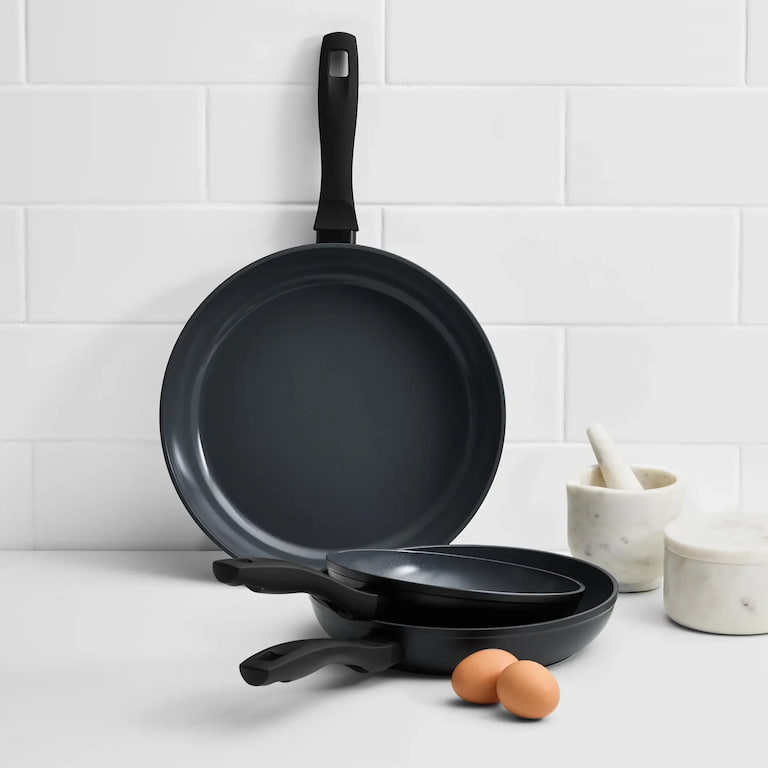
Cooking eggs seems like a basic task only if you’re not really worried about having a good gastric experience. But if you consider yourself a hedonist even the slightest bit, investing in durable and easy-to-care-for cookware and following a few easy rules can make every egg dish a success.
Common issues with inadequate kitchen cookware are eggs sticking or cooking unevenly. To avoid those, here are some important factors to keep in mind when you’re looking to buy cookware:
- Even Heat: With a pan designed to spread heat evenly across the surface, you’ll forget the taste of eggs that were burnt on one side and raw on the other. This means you’ll get perfectly cooked, fluffy scrambles and tender omelettes.
- Material Choice: When it comes to the materials, just know that aluminium heats quickly and evenly, cast iron, once warmed up, holds heat nicely, and stainless steel is sturdy but needs a little oil to keep eggs from sticking.
- Easy Cleanup: If you’re someone who can’t be bothered by cleanup, opt for non-stick pans as they are the easiest to wash. If you decide on stainless steel, soaking or deglazing gives the best results.
- Quality: You need a pan that doesn’t wobble around on the stove and one that’s built to last you for years. Cast iron is known to last generations if seasoned well, while non-stick coatings eventually wear out, and you’ll need to replace them more often.
- Heat Control: Thin pans respond quickly to changes in temperature, while heavier ones hold heat longer, which is actually great for some dishes, but not ideal for delicate egg recipes.
Cooking eggs in a carefully selected pan turns something that was once a battle into a simple pleasure. It’s all about choosing cookware that makes breakfast easy, tasty, and stress-free.
Boiled Eggs
Most people will agree that boiling eggs is probably the easiest way to cook an egg. You don’t need special cookware, but you do need to keep an eye on the timing. If you boil them for about 6 to 7 minutes, you’ll get soft-boiled eggs with a runny yolk. For firm, hard-boiled eggs, keep them boiling for 9 to 12 minutes.
It’s best to use a pan with a heavy bottom for even heat, and don’t crowd too many eggs in at once.
To make the peeling process easier, dip them straight into an ice bath after cooking to stop the cooking process and loosen the shell. A gentle crack and roll on the counter help the shell slip off cleanly.
Scrambled Eggs
Scrambled eggs can be fluffy or creamy, depending on how you cook them. If you like them fluffy, whisk quickly from start to finish to add air. Cook them on low heat for soft curds. For creamy eggs, stir gently and add a splash of cream or butter for richness.
Seasoning is simple. It’s best to wait until they’re done cooking to season them. Fresh herbs, cheese, or chilli oil can take them from every day to special in seconds.
To pull it all together, whisk a few eggs, heat a non-stick pan with butter, and pour them in. Use a spatula to move the eggs gently, don’t let them overcook, season them and serve hot with your favourite garnish. Easy, quick, and always satisfying.
Fried Eggs
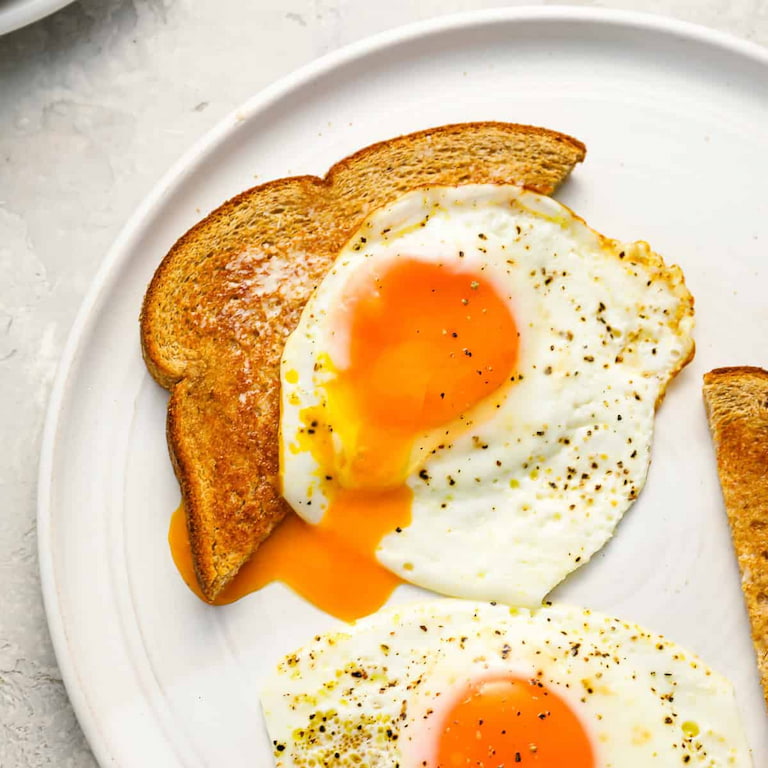
Fried eggs are all about getting that yolk just the way you like it, which takes a little attention. It takes a good pan, skills and patience. For sunny side up, keep the heat low. Towards the end, cover the pan with a lid and let the whites cook fully, but take them off the heat before the yolk does too. If you prefer over-easy, wait until the whites are firm, then flip gently and give it about 30 seconds for a soft centre.
Your choice of pan makes a big difference. Invest in a reliable non-stick skillet or well-seasoned cast iron to keep things smooth. Don’t crowd the pan, use a spatula if you’re flipping, and serve them hot. Quick and easy, and always a classic.
Poached Eggs
Poaching eggs is a science on its own, but once you know the tricks, it gets easier. Fresh eggs are the key here as they hold shape better. Add a splash of vinegar to the water to help the whites set and try to create a gentle whirlpool with a whisk to let the egg wrap neatly around the yolk.
The biggest mistake is dropping the egg in water that’s too hot. Keep the water at a gentle simmer, and the pan enough to give the eggs room to float and cook evenly without touching the bottom too much. For these, look for a heavy-bottomed saucepan as cookware online or in a store. This way, you’ll always have an egg breakfast that is delicate and delicious.
Omelettes
When it comes to omelettes, you need a small non-stick skillet, available in stores for cookware Australia-wide. It’s good as it keeps the eggs from sticking. Cast-iron pans can work too, but only if they’re well-seasoned.
Start by whisking your eggs thoroughly in a bowl. Heat your pan over medium heat, add a little butter, and swirl it around until the surface is coated. Pour in the eggs and let them settle.
Use a heatproof spatula to stir or fold. The key is to stay patient, as gentle movements make all the difference. This way, you’ll always have an omelette that not only fuels your body, but you also get to enjoy.
Cooking eggs doesn’t have to be a struggle. You just need to find the right pan and learn a few simple tricks. When you buy cookware online, look for pieces that heat evenly, clean easily, and feel sturdy in your hands. This way, every egg breakfast becomes something you’ll actually look forward to.
