
Contents
Ever wondered why the same bottle tastes smoother in a restaurant than at home? The answer often isn’t the wine but the glass. That might sound dramatic, but the shape of a wine glass can completely alter aroma, flavour, and even how balanced a wine feels on your palate. From wide bowls that let bold reds breathe to narrow rims that preserve the freshness of whites, each design solves a specific tasting challenge. Understanding this makes choosing the right glass less of a guessing game and more of a simple way to unlock better flavour every time.
Main Types
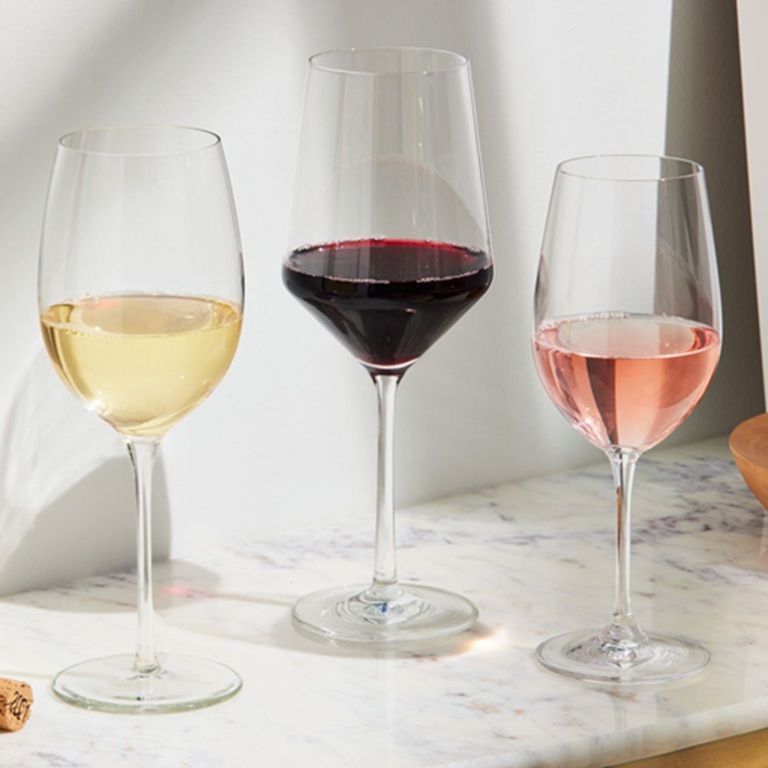
A simple way to experience better flavour is through well crafted wine glasses that bring out the best notes in every red, white, and sparkling variety. Here are the main types to consider.
Red Wine Glasses: Wide Bowls for Aeration
Glasses for wine, like Pinot Noir or Merlot, are typically designed with large, rounded bowls and wider openings. This shape allows the wine to come into greater contact with oxygen, which helps soften tannins and unlock deeper aromas such as dark fruit, spice, and oak. The wider bowl also gives space for swirling, which enhances aromatic release.
Full-bodied reds are usually served in larger glasses that encourage maximum aeration, while lighter reds benefit from slightly narrower bowls that preserve delicate fragrance while still allowing gentle breathing.
White Wine Glasses: Narrower Bowls for Freshness
A wine glass for white selections is generally smaller and more upright in shape. The narrower bowl helps maintain cooler temperatures and preserves the wine’s crisp acidity and subtle aromatic notes. By limiting exposure to air, the glass keeps the wine fresh and vibrant for longer.
Crisp white wines are best suited to slim glasses that concentrate freshness, while richer whites are often served in slightly wider bowls to allow more complexity to develop without losing their clean structure.
Sparkling Wine Glasses: Tall and Slim for Bubbles
Glasses for sparkling wines are designed with long, narrow bowls that help preserve carbonation. The reduced surface area slows the escape of bubbles, keeping the wine lively and effervescent. This shape also guides aromas upward, enhancing the drinking experience. Some modern designs feature a gently tapered bowl to balance bubble retention with improved aroma expression.
Rosé Wine Glasses: Balanced Shape for Versatility
Rosé glasses are designed to sit between red and white styles. They typically feature a medium bowl with a slightly flared rim, allowing a balance between freshness and aromatic expression. This versatile shape supports both the crispness of white wine and the fruit-forward character of red wine styles.
Dessert Wine Glasses: Small Bowls for Intensity
Dessert glasses are smaller and more concentrated in design. The reduced size helps intensify sweetness and aroma while encouraging slow, mindful sipping. The narrow opening ensures rich, syrupy wines are enjoyed in controlled portions, enhancing their depth and complexity.
Materials: Crystal vs. Glass
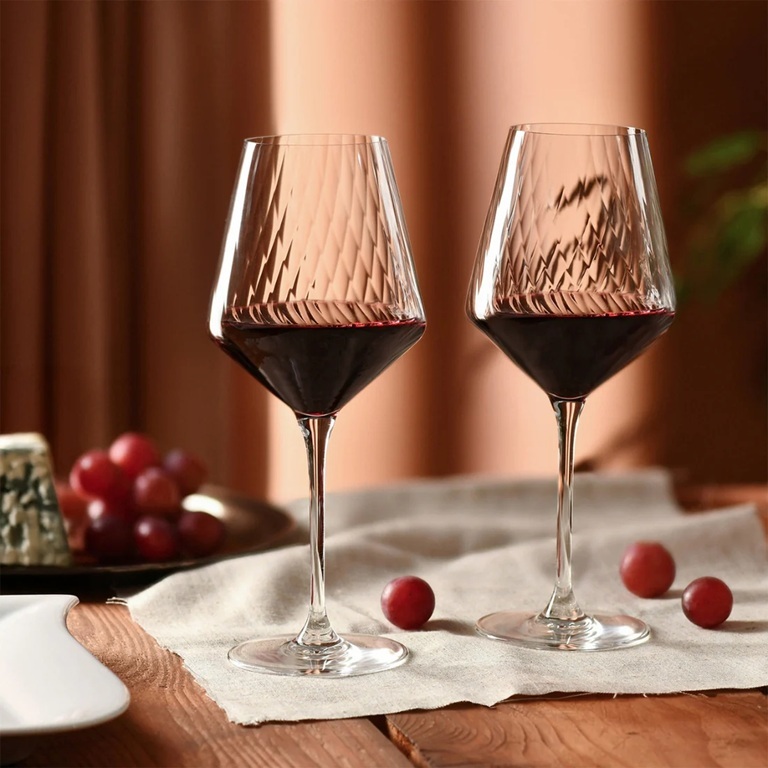
When choosing wine glasses, the material plays a major role in both the drinking experience and the overall presentation. The two most common options, crystal and standard glass, each offer distinct advantages depending on style, use, and preference.
Crystal choices are known for their exceptional clarity, brilliance, and refined feel. Traditional crystal contains minerals that give it extra strength and a thinner rim, allowing for a more delicate and precise tasting experience. The thinner edges help the wine flow smoothly onto the palate, enhancing aroma perception and flavour detail. Crystal also tends to refract light beautifully, adding elegance to formal dining and special occasions. However, it is often more fragile and may require careful hand-washing.
Glasses made of glass, on the other hand, are more durable and practical for everyday use. They are generally thicker and more resistant to breakage, making them ideal for casual dining, gatherings, or high-turnover environments. While they may not offer the same level of refinement as crystal, modern glassware is designed to still deliver good clarity and performance at a more affordable price.
Additional Factors to Consider
Beyond shape and material, several other details can significantly influence the quality and enjoyment of glasses. Paying attention to these factors ensures a more refined drinking experience and better long-term use.
One important element is the rim thickness. A thinner rim allows wine to flow more smoothly onto the palate, creating a more elegant and seamless tasting experience. Thicker rims, while more durable, can slightly disrupt the perception of flavour.
Another consideration is the stem design. A proper stem allows the glass to be held without warming the wine, which is especially important for white and sparkling varieties. Stemless options are more casual and stable, but they can transfer heat more easily from the hand.
Balance and weight also matter. A well-balanced glass feels comfortable to hold and reduces the risk of tipping. Heavier bases can add stability, while lighter designs often feel more refined and premium.
Care and Maintenance Tips
Proper care keeps wine glasses looking elegant and performing well for years. Always rinse glasses soon after use to prevent stains and residue from setting in. When washing, use warm water and a mild detergent, avoiding harsh scrubbing that can scratch delicate surfaces.
For crystal glasses, hand washing is often best to preserve clarity and prevent chipping. If using a dishwasher, ensure glasses are securely spaced and use a gentle cycle. Dry with a lint-free cloth to avoid water spots and maintain shine. Store glasses upright in a safe, dust-free space to protect rims and prevent accidental damage.
